

These are some of the basic building materials we use and work with in our cob projects.
R-Value of Natural Insulation — per inch
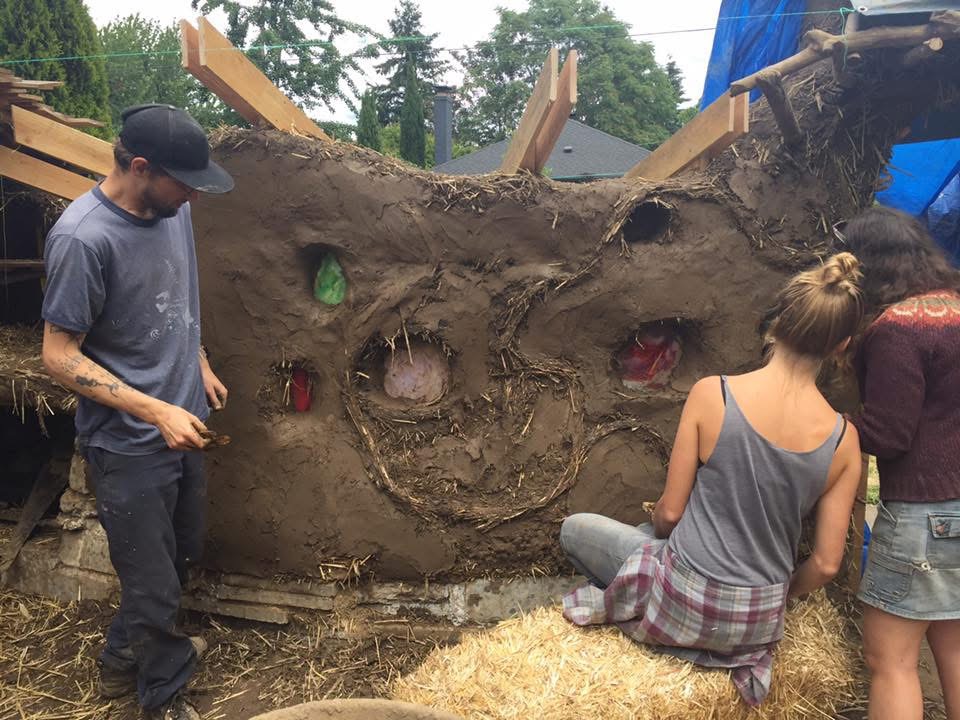
Cob mixes clay, sand, straw, and water to create walls with relatively high thermal mass. Unlike LSC, cob doesn’t insulate well. Instead, it moderates temperature by absorbing heat in the day and releasing it at night. It’s best suited for temperate regions or areas with mild winters.
Portland is known for clay soil, but having clay on your site and having usable clay are different things. Clay varies in quality, plasticity, and mineral content. Some sites have buildable clay a foot down. Others need significant amendment. And some have none at all. We test before we commit — and we don’t have a standing supplier we can simply order from. When a site doesn’t provide workable clay, finding a source becomes its own project. For that reason we prioritize projects where good clay is already on site, or where the client is ready to take care of sourcing and delivery. That’s one of the real reasons the first conversation about your site matters as much as the first conversation about your vision.
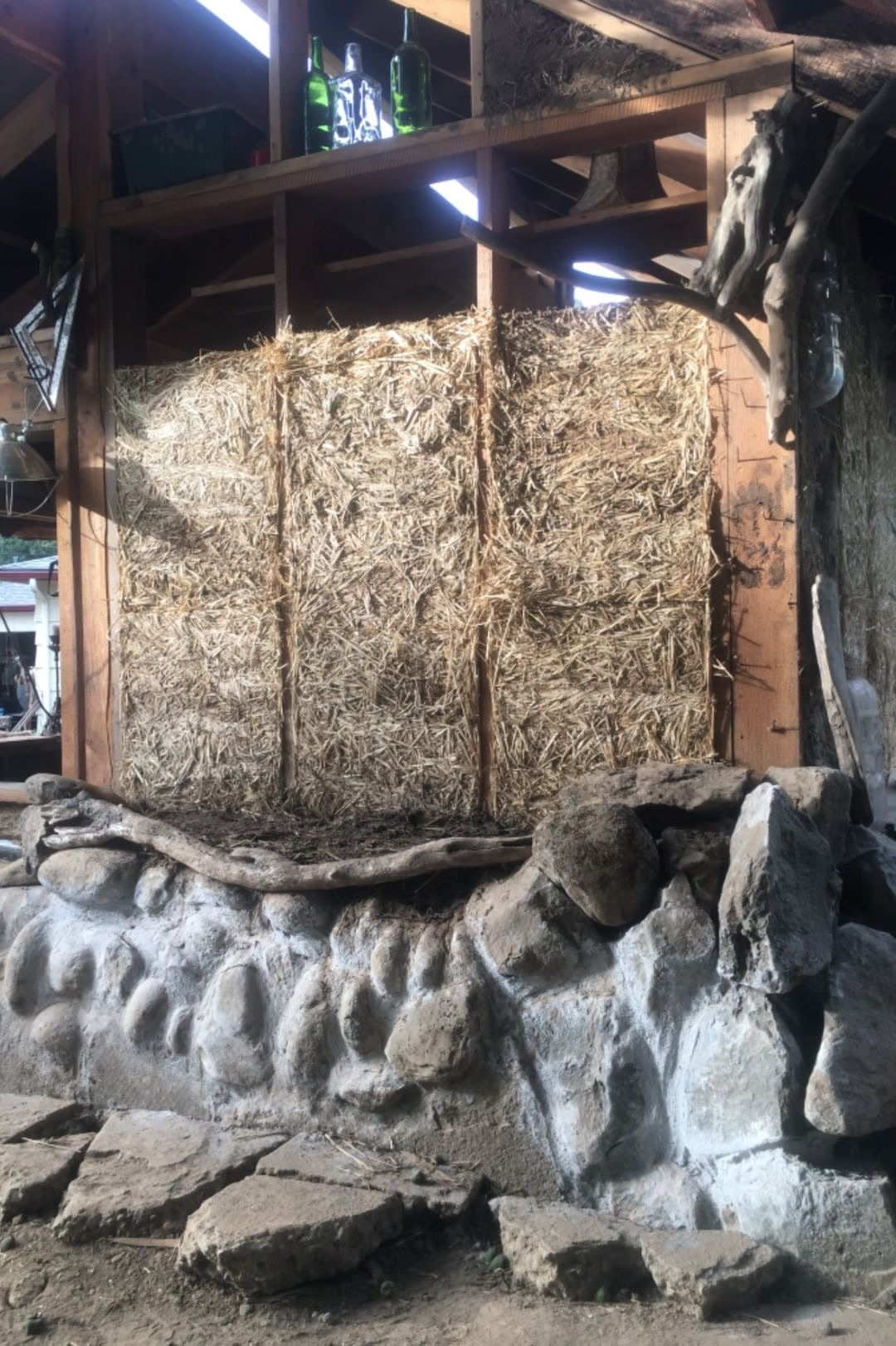
Light straw clay blends loose straw with a wet clay slip, then packed into wall cavities for insulation. This method walls up carbon — a wholly biodegradable material that can be demolished and the straw returned to the earth. LSC is safe to touch, meets fire standards due to the clay coating, and provides excellent fiber for natural plasters.
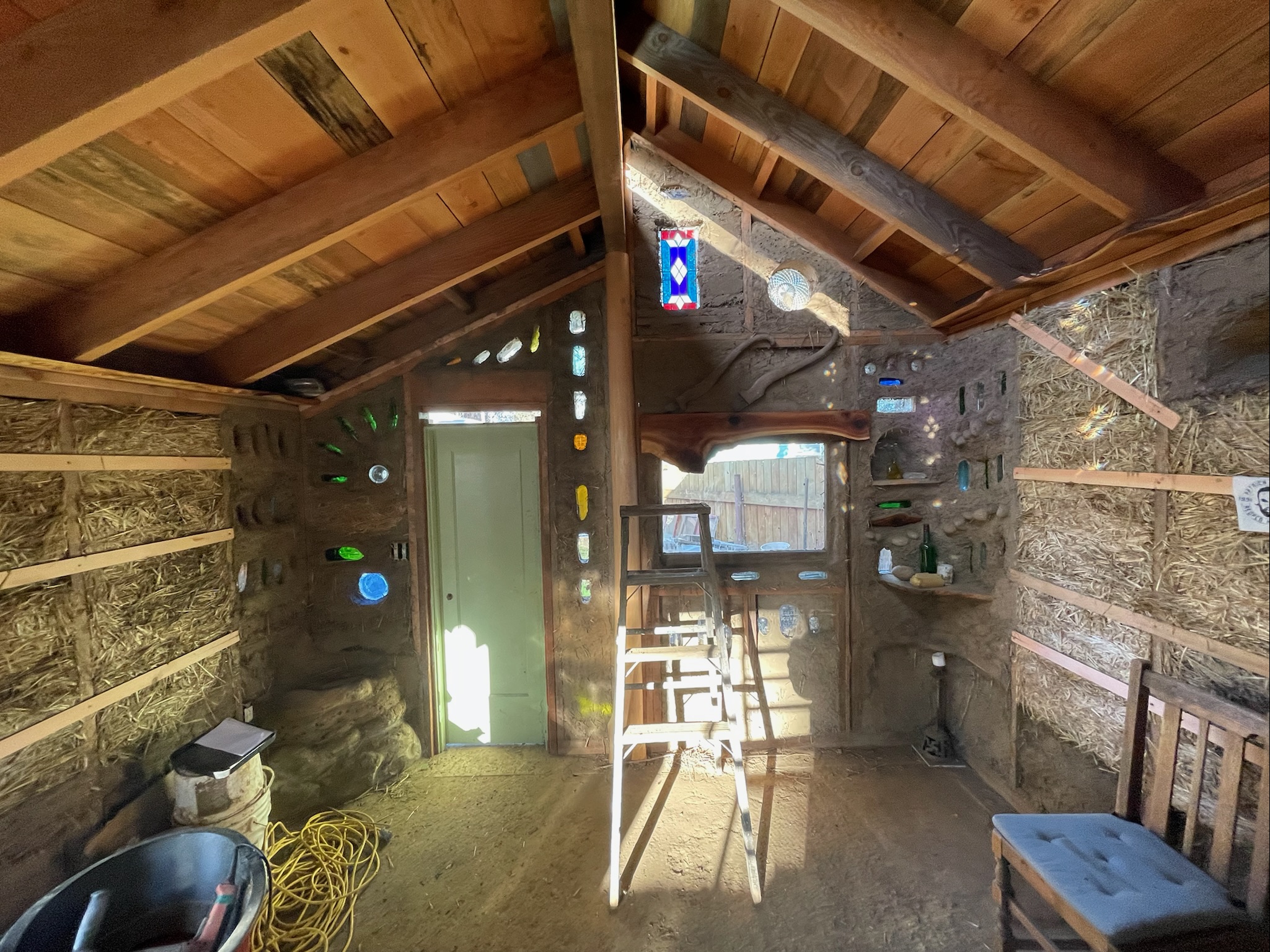
Natural builds draw from heavy, site-specific materials — most of which take time and effort to source. Starting early makes everything smoother.
What you'll need to think about:
Sometimes we help source materials. Other times the project host takes that on. Either way, arriving at a build with materials staged and ready makes everything that follows faster and less improvised.
If you're thinking about a project, starting to look at materials now is never too early.
Natural building draws from a wide range of materials — most locally sourced, many reclaimed. Here’s the full palette we work with across foundations, walls, finishes, and details.
 Rock & Stone
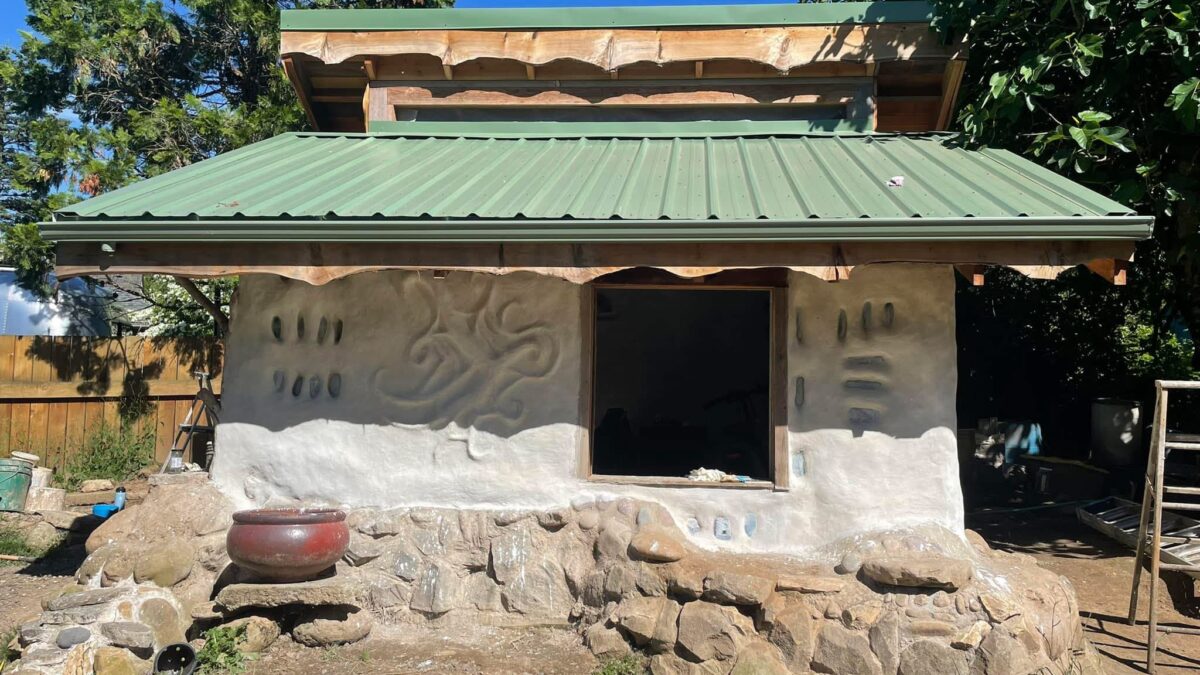
Foundation walls and rubble trench drainage. Stone brings thermal mass, longevity, and a deep connection to place.
 Urbanite
Recycled broken concrete repurposed as foundation or wall material. Keeps waste out of the landfill and gives it a second life.
 Gravel
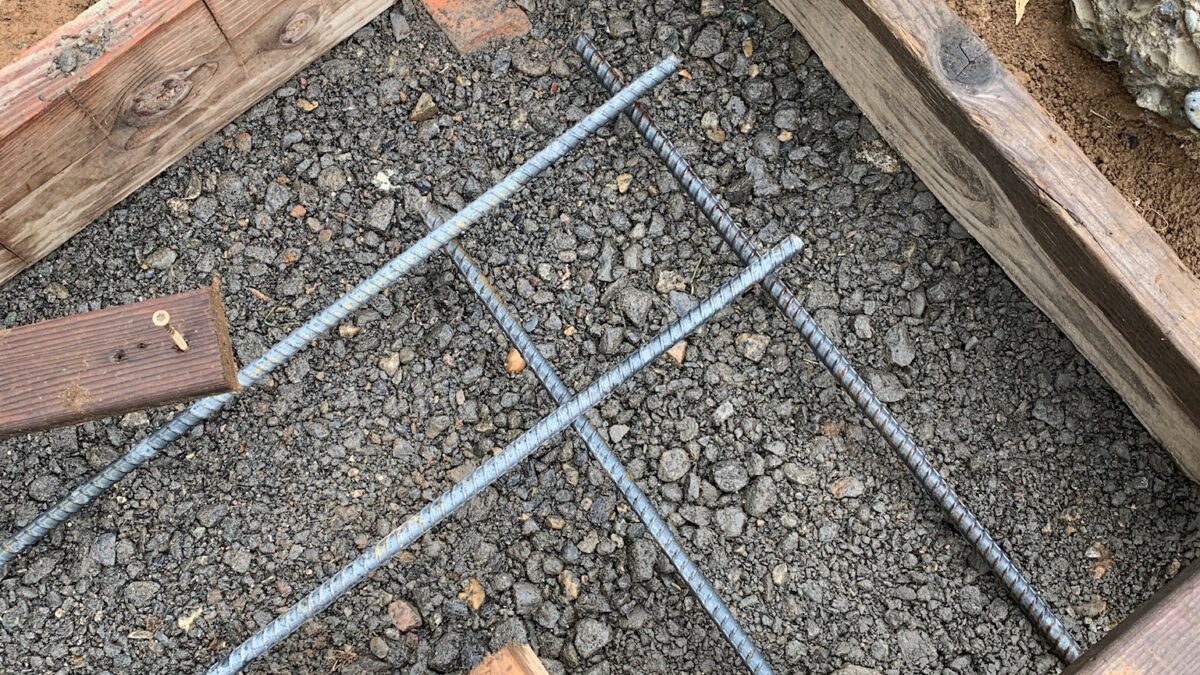
Drainage layer beneath foundations and earthen floors. Essential for keeping moisture away from the building.
A core ingredient in cob, earthen plaster, and lime mortars. The right sand makes the difference between a strong wall and a weak one.
Clay
The binder in cob, light straw-clay, and earthen plasters. Sourced locally where possible — sometimes dug right from the site.
 Straw
Straw
The fiber that gives cob its tensile strength. Also used in light straw-clay, thatching, and as insulation in wall systems.
 Lime
Lime
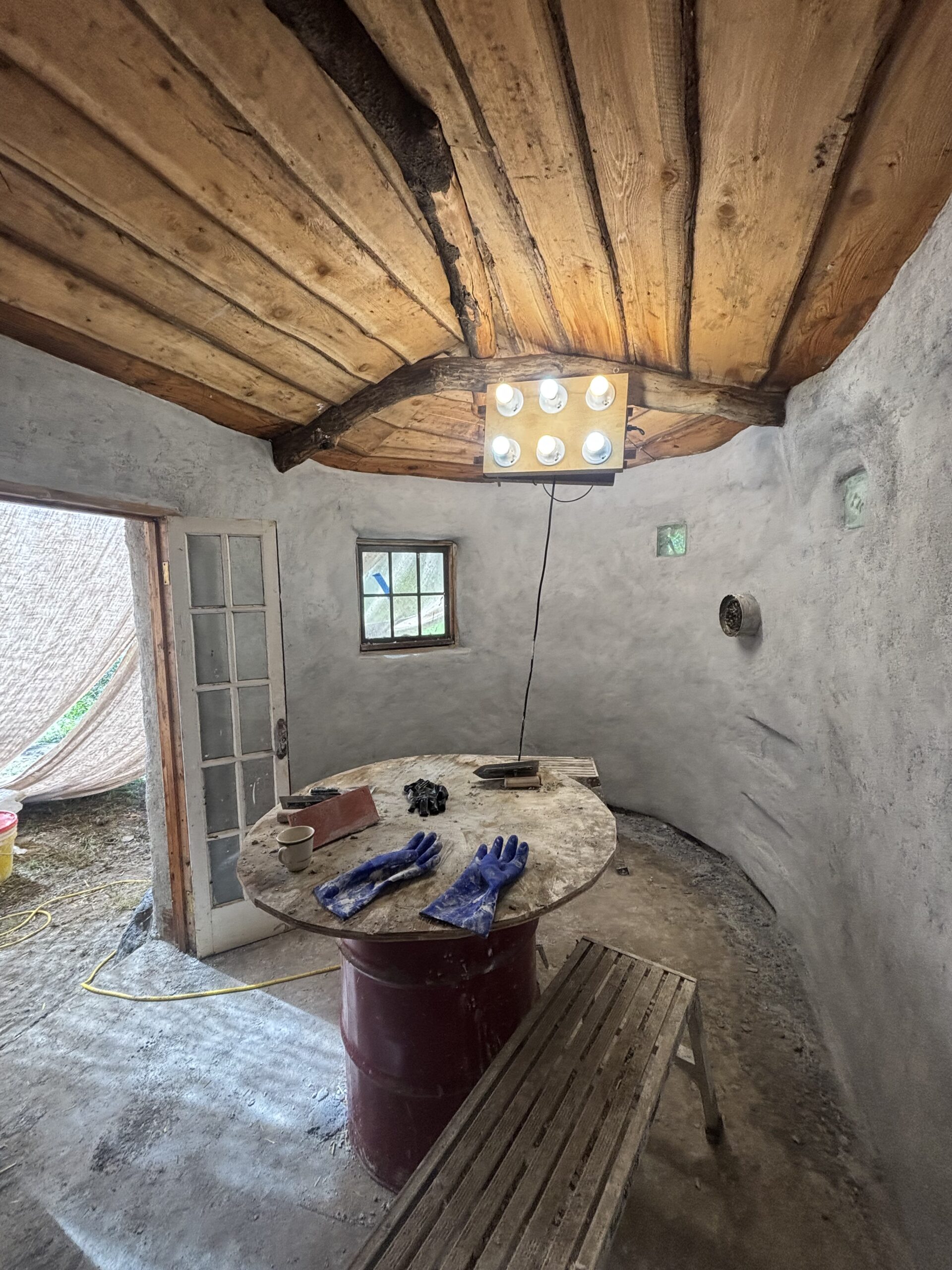
Used in plasters and mortars. Lime is breathable, self-healing, and naturally resistant to mold and moisture.
 Brick
Brick
Reclaimed or new — used in firebox construction, rocket stove cores, and decorative detail work.
 Glass Bottles
Embedded in cob walls to bring colored light inside. One of the most distinctive elements of artistic natural building.
 Wood & Branches
Structural poles, decorative branches, and salvaged lumber. Natural building uses wood where it makes sense — not as a default.
 Lime Wash
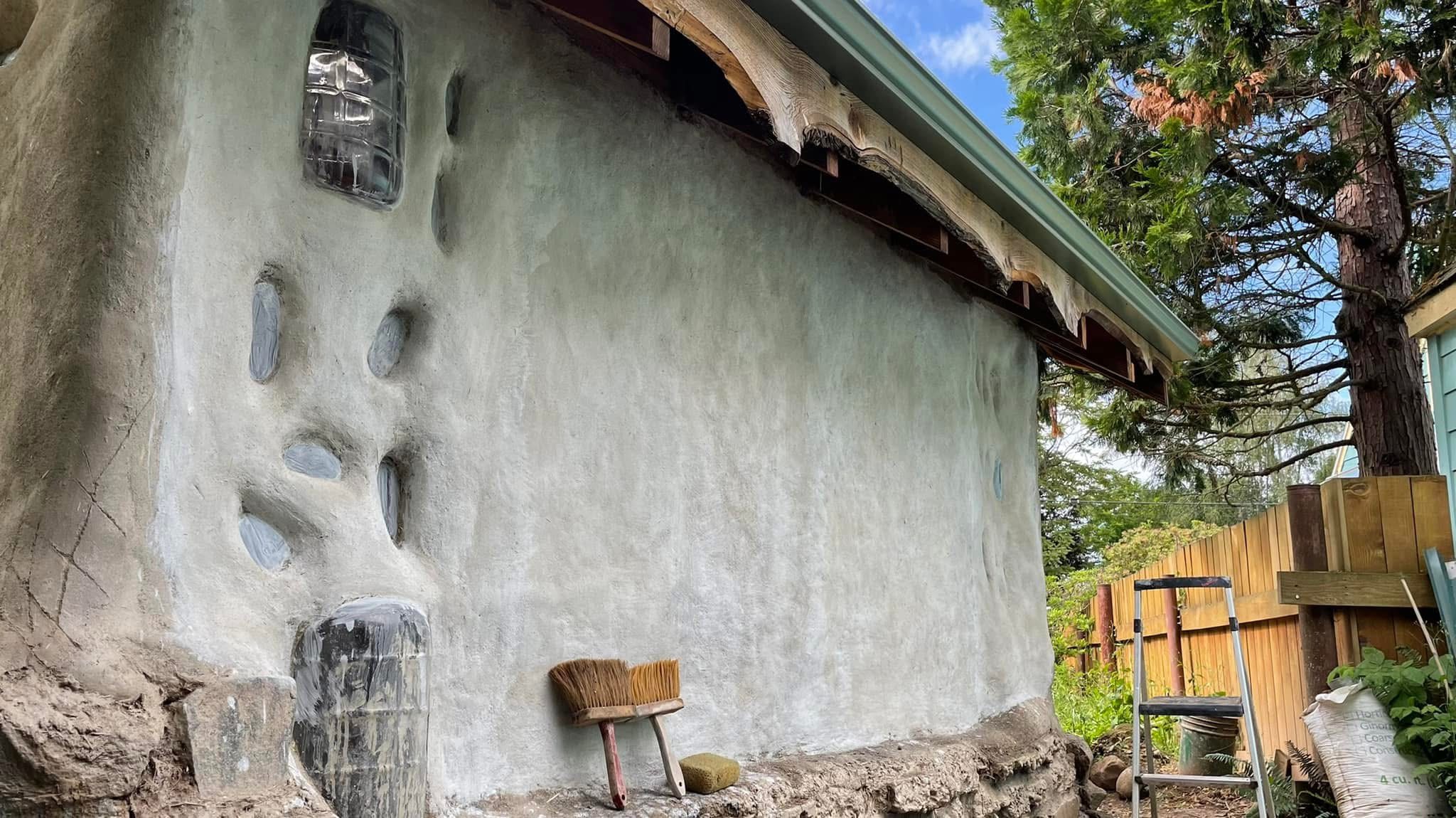
A thin lime-and-water finish applied to interior or exterior walls. Breathable, beautiful, and available in a full range of earth tones.
 Clay Paint
A natural wall paint made from clay, pigments, and water. Non-toxic, matte finish, and deeply connected to the material underneath.
When building with natural systems like LSC and cob in Oregon, it is essential to meet regional building codes to ensure safety and performance.
<p>The final coat of earthen plaster worked by hand around glass bottles embedded in the cob wall. The bottles bring colored light through the wall — the plaster brings the surface together around them. Every transition is done by hand, reading the material as it goes. No two walls with embedded glass come out the same.</p>