Cob walls · Earthen plaster · Small structures · Portland, Oregon
You’ve been thinking about building something. Something real, by hand, that lasts.
Hands-on natural building in Portland. For people who’ve been thinking about this for a while.
Cob is clay, sand, and straw — mixed by foot, shaped by hand, dried by air. Thick walls. Quiet rooms. Surfaces that carry the marks of the people who made them.
When it’s done you don’t feel like you’re inside a structure. You feel like you’re inside something that was grown.
Working with it is slow. You can’t rush a wall that needs to dry. You can’t force material that wants to be something slightly different than you planned. You learn to pay attention, adjust, and follow what’s emerging.
That’s not a limitation. That’s the practice.
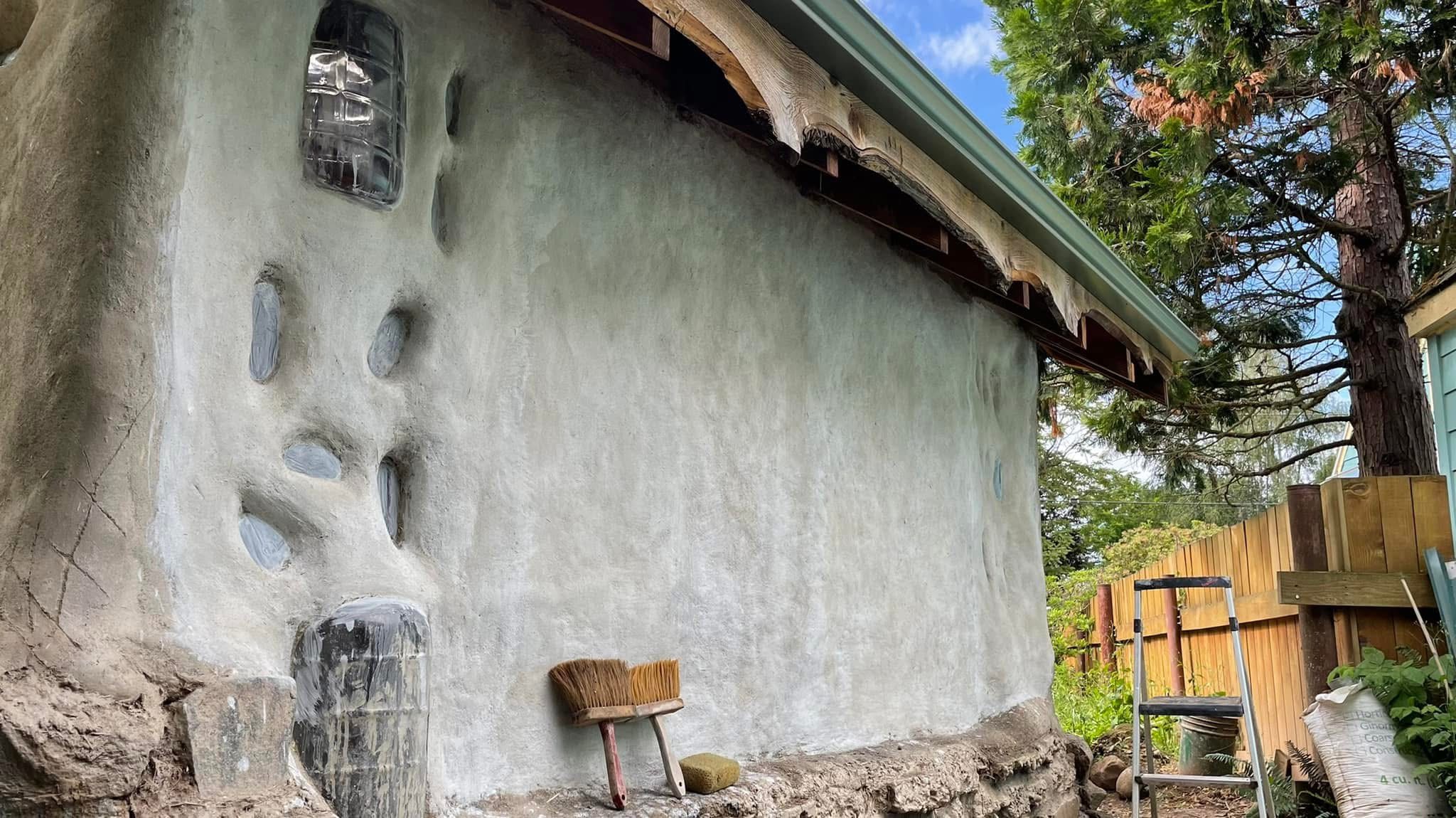
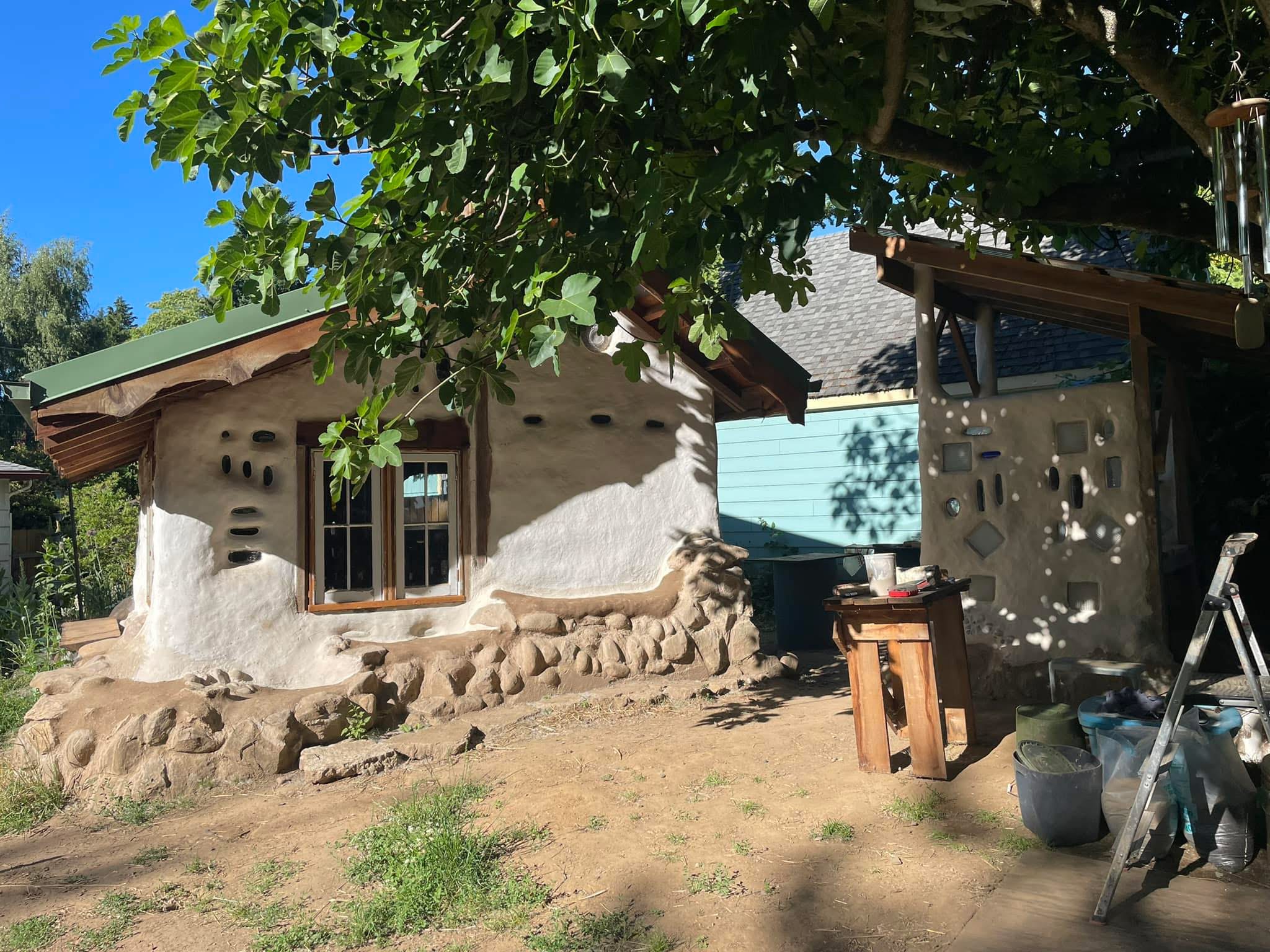
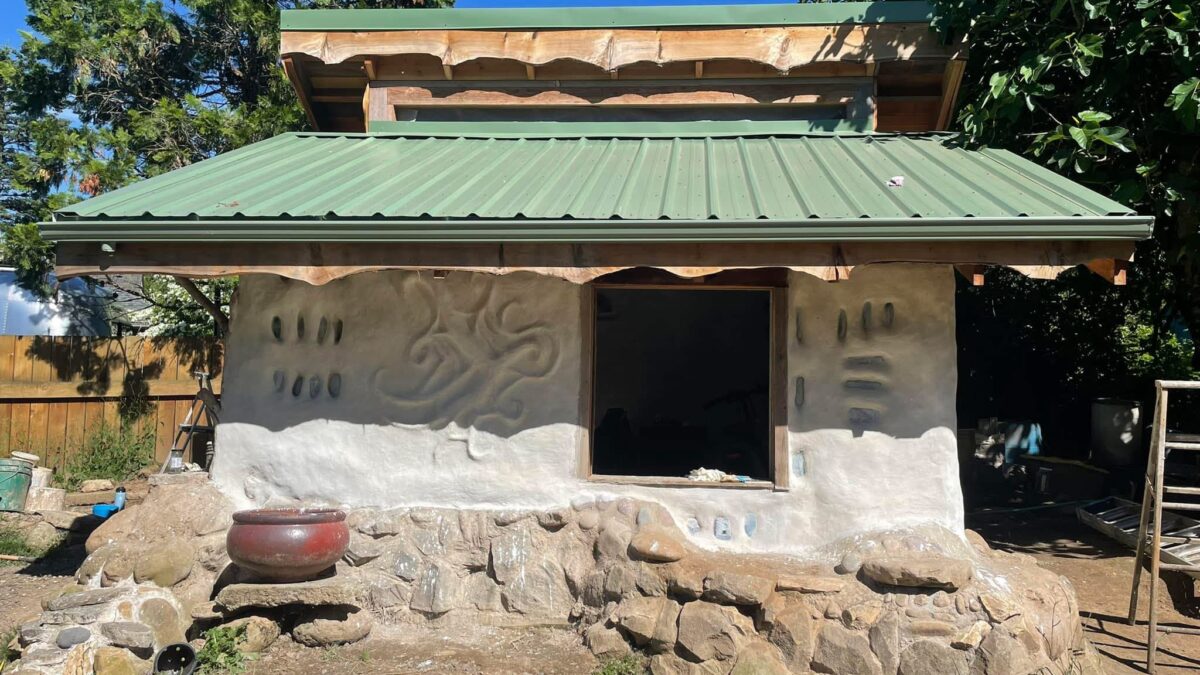
This is a composting toilet structure — not glamorous, but shows a natural building and cob project in progress. Rock foundation and stairs, cob on conventional framing, earthen plaster, lime mortar, lime wash, and clay paint. Everything we talk about on this site, in one small building.
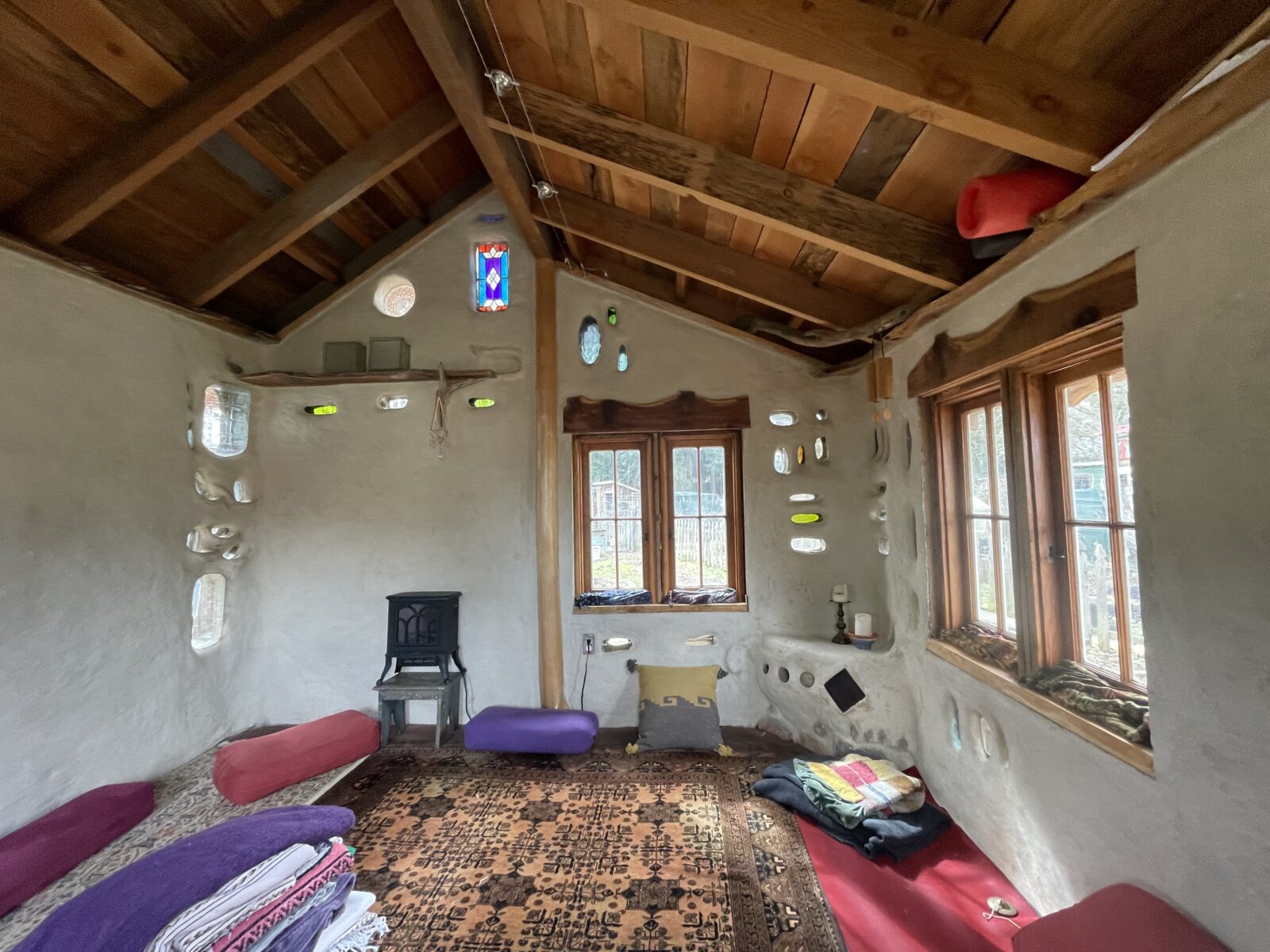
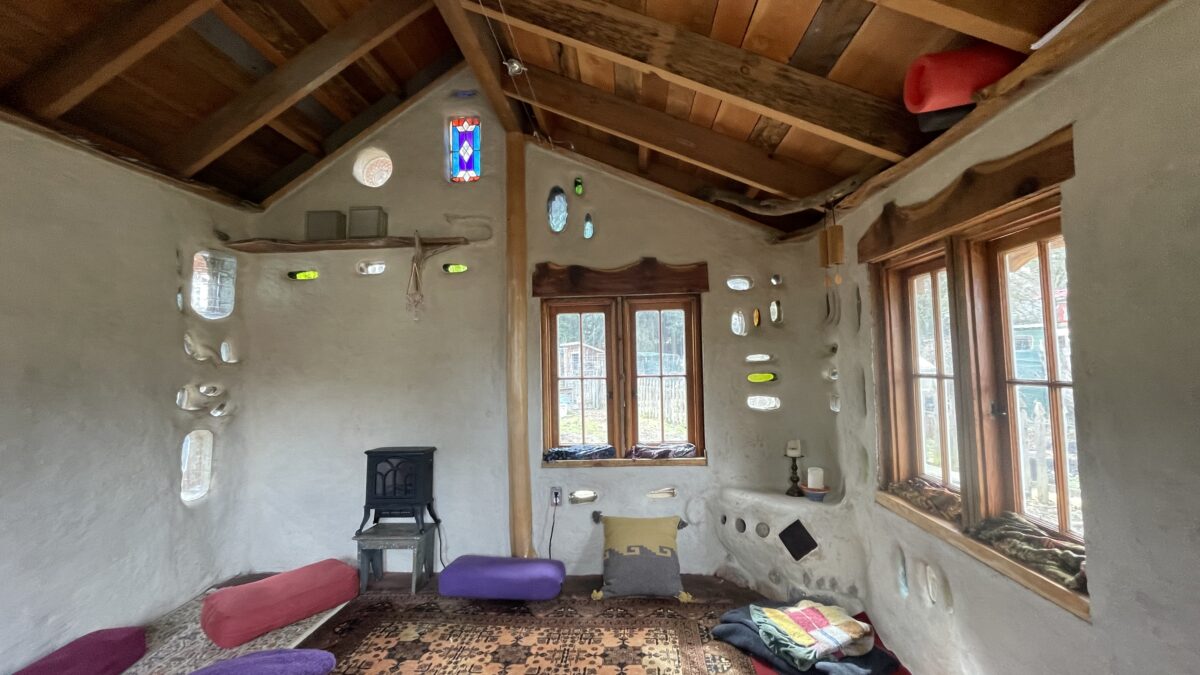
Finished interior · Portland
You’d be present. Understanding what’s happening. Making decisions as they come up — because they always do.
The material has opinions. The site has opinions. A good natural building reflects all of that, including you.
If that sounds like relief rather than burden — we’ll probably work well together.
Most of the best working relationships begin with something contained — a cob bench, a garden feature, an existing shed or outbuilding that's ready to be improved with natural materials. Something with a clear scope, not because the work is simple, but because finishing something together tells you more than any conversation can.
“There’s something that happens when a person builds something with their own hands, even partially. They carry it differently. They understand it. It becomes theirs in a way that a finished product never quite does.”
That’s what I’m actually offering.
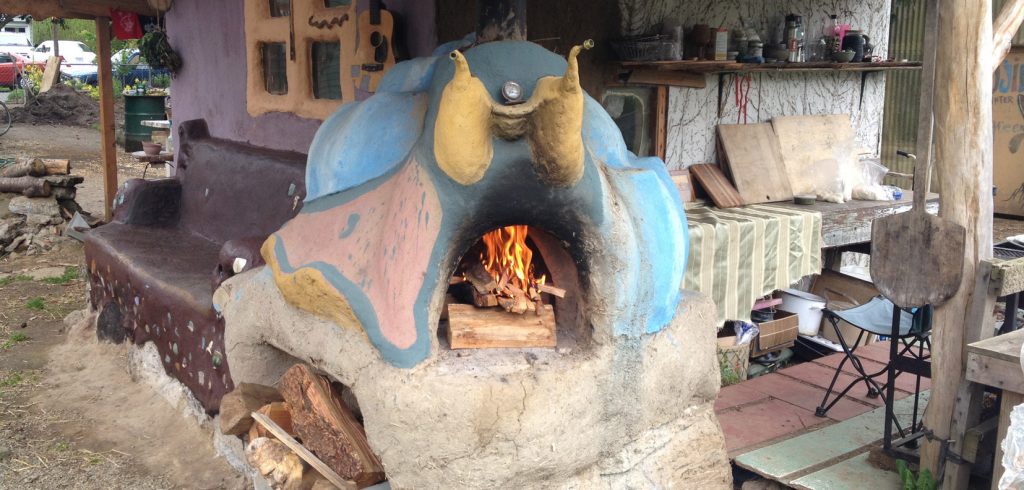
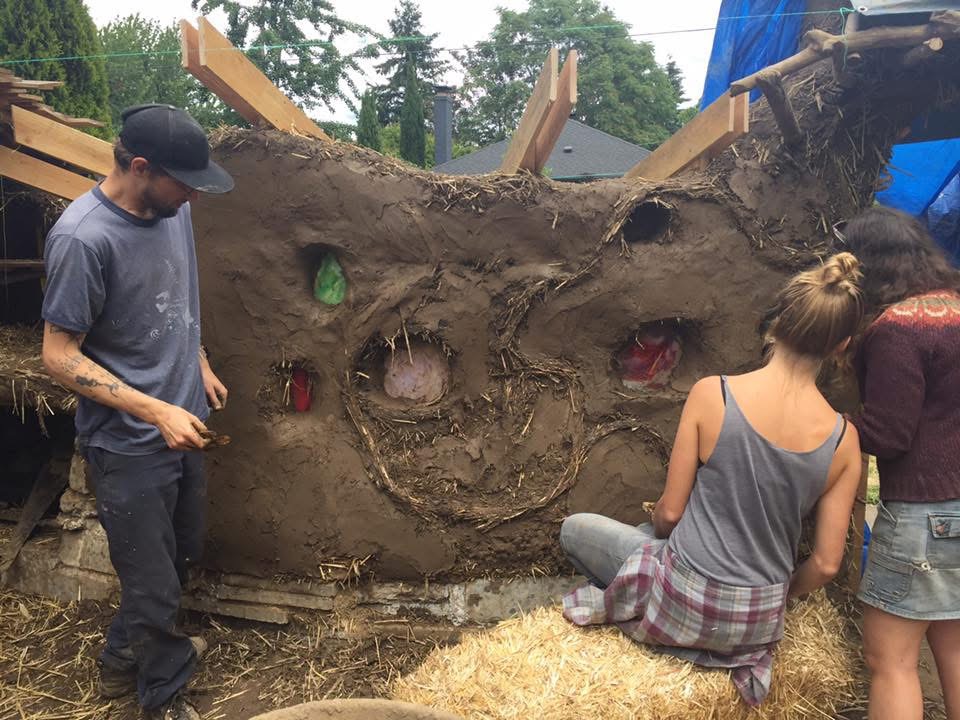
Community cob oven build · Village Building Convergence
Pricing depends on scope and how much independent time the project needs from me. These are labor figures — materials are the client’s responsibility, though I can help with sourcing.
A lime plaster project start to finish, a more involved structure, or sustained multi-phase work.
$3,000–$15,000
labor only · materials separateA cob bench, garden feature, plaster work, or natural building improvements to an existing shed or outbuilding.
$1,500–$3,000
labor only · materials separate+$60 outside Portland
Client’s responsibility. I can help source them but it’s not expected.
How much the project needs me to keep it moving independently. Your involvement keeps costs down.
No quote right away — but I’ll tell you honestly if the scope and budget feel like a fit.
Along the way I’ve learned from people who made this craft what it is — rocket stoves and cob ovens with Erica and Ernie Wisner, whose lineage traces directly back to Ianto Evans. Earthen building with Bernhard Masterson and Scott Howard. And through Mark Lakeman and the Village Building Convergence, a deeper connection to the community and the movement that brought natural building into the heart of Portland neighborhoods — the people, the projects, and the places that made all of it possible. What I bring to a project isn’t just technical knowledge. It’s an artist’s eye for what something wants to become — and the patience to stay with it until it does.
I came up alongside people who believed how you build something is inseparable from what you build. That’s still how I work. That’s still who I want to work with.
Cob and natural building structures tend to be small, thermally stable, and low-draw — which makes them a natural fit for simple off-grid solar setups. A modest panel array and small battery bank can comfortably power lighting, outlets, and basic appliances in the kind of spaces we build.
Bring it up in the first conversation →