Natural Building · Pacific Northwest

Cob walls & small structures. Built from the earth.

Load-bearing cob walls, garden structures, small studios, and outbuildings — built by hand from clay, sand, and straw.

The Project

Cob Walls & Small Structures

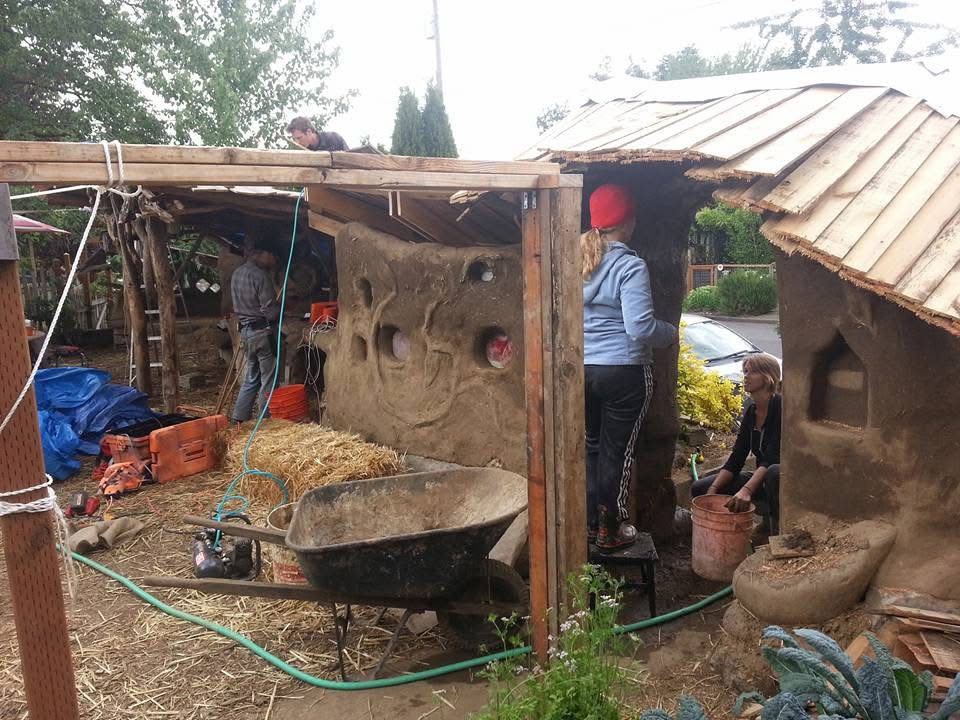
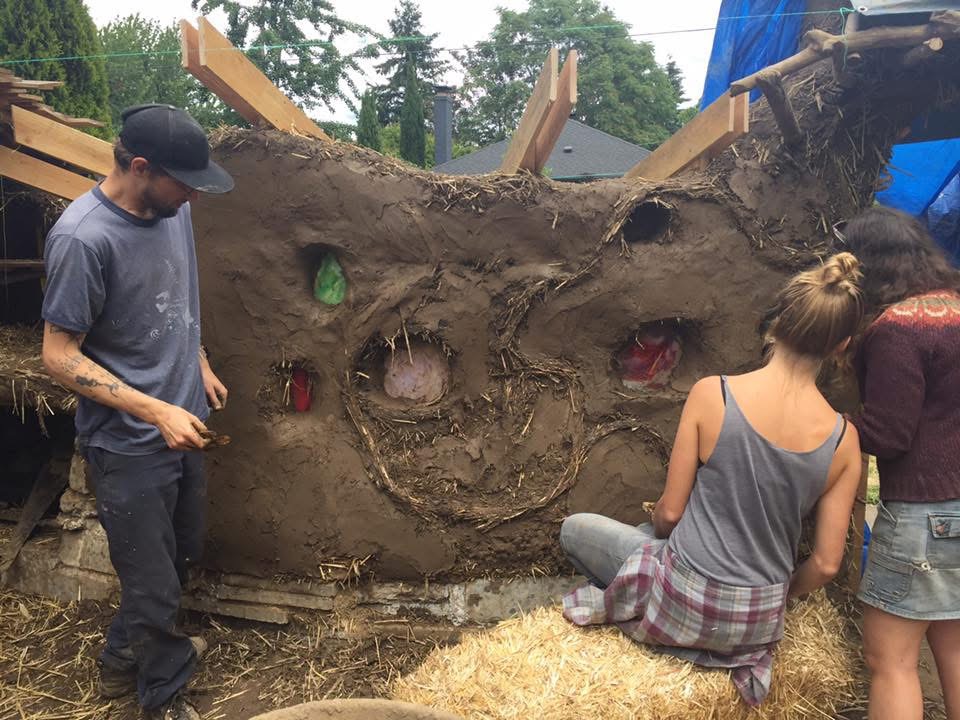
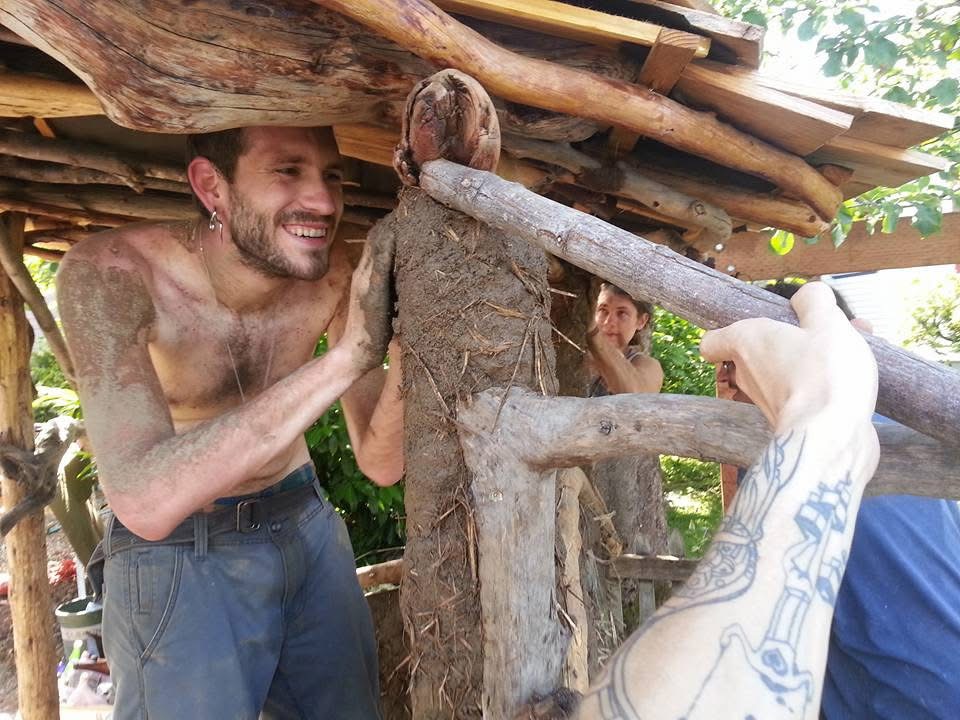
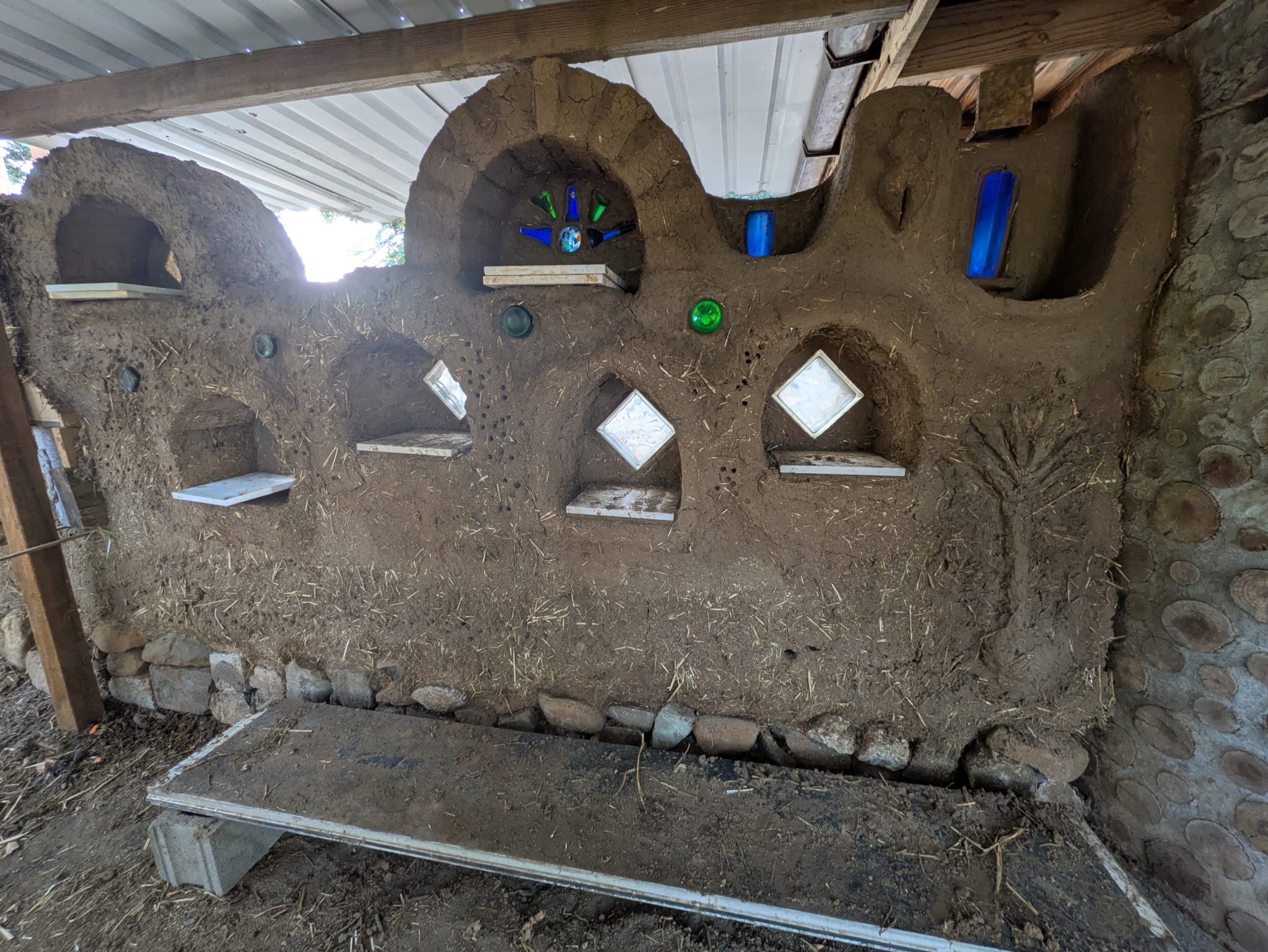
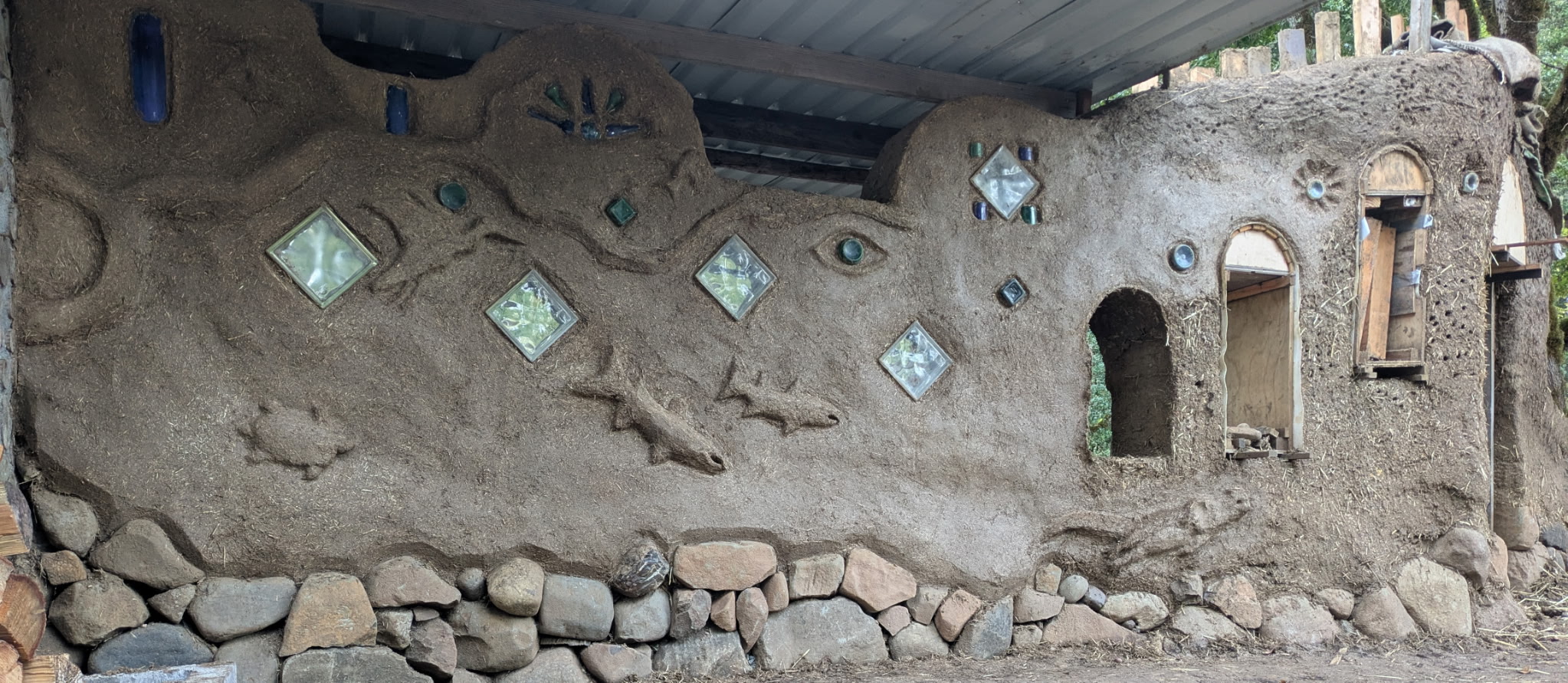
Cob is one of the oldest building materials in the world — and one of the most versatile. Mixed by hand and foot from clay, sand, straw, and water, cob walls are load-bearing, sculptable, and deeply beautiful. They can be built into almost any shape — curved walls, built-in shelving, arched openings, sculpted window seats. A cob structure feels alive in a way that conventional construction simply does not.

Cob Walls & Small Structures
Why build with cob
Why Build One

Why build with cob

Cob walls have thermal mass — they absorb heat during the day and release it at night, moderating temperature without mechanical systems. They are fire resistant, non-toxic, and completely repairable — a damaged cob wall can be patched with the same material it was built with. Cob also invites artistry in a way few other building materials do. The surface can be carved, sculpted, and finished with earthen plasters, lime washes, and clay paints that give each building a character entirely its own.

The Process

How cob walls get built

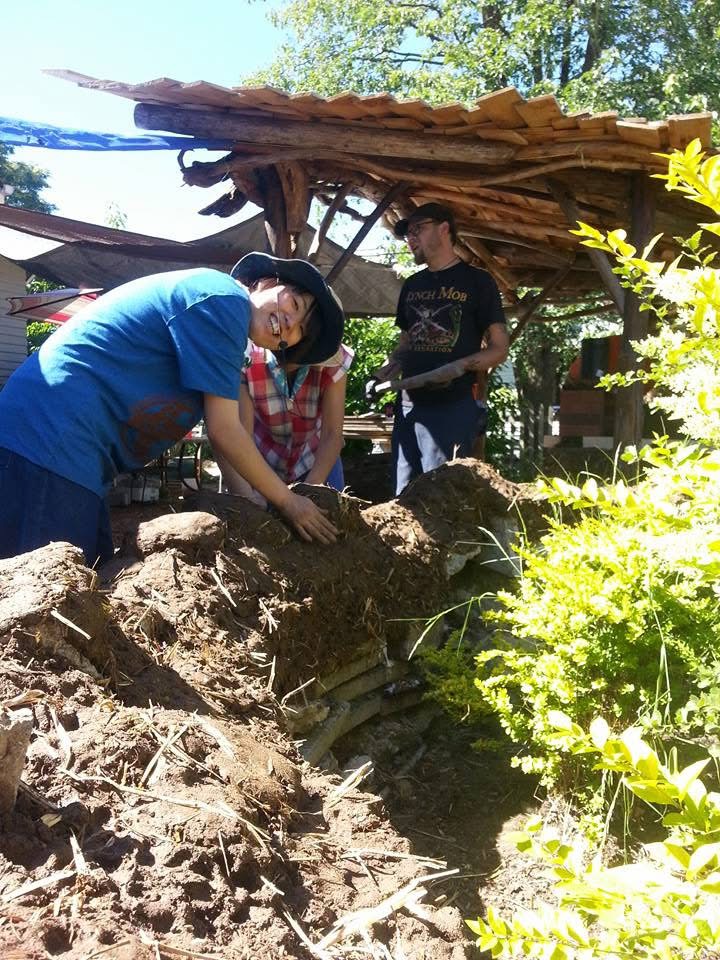
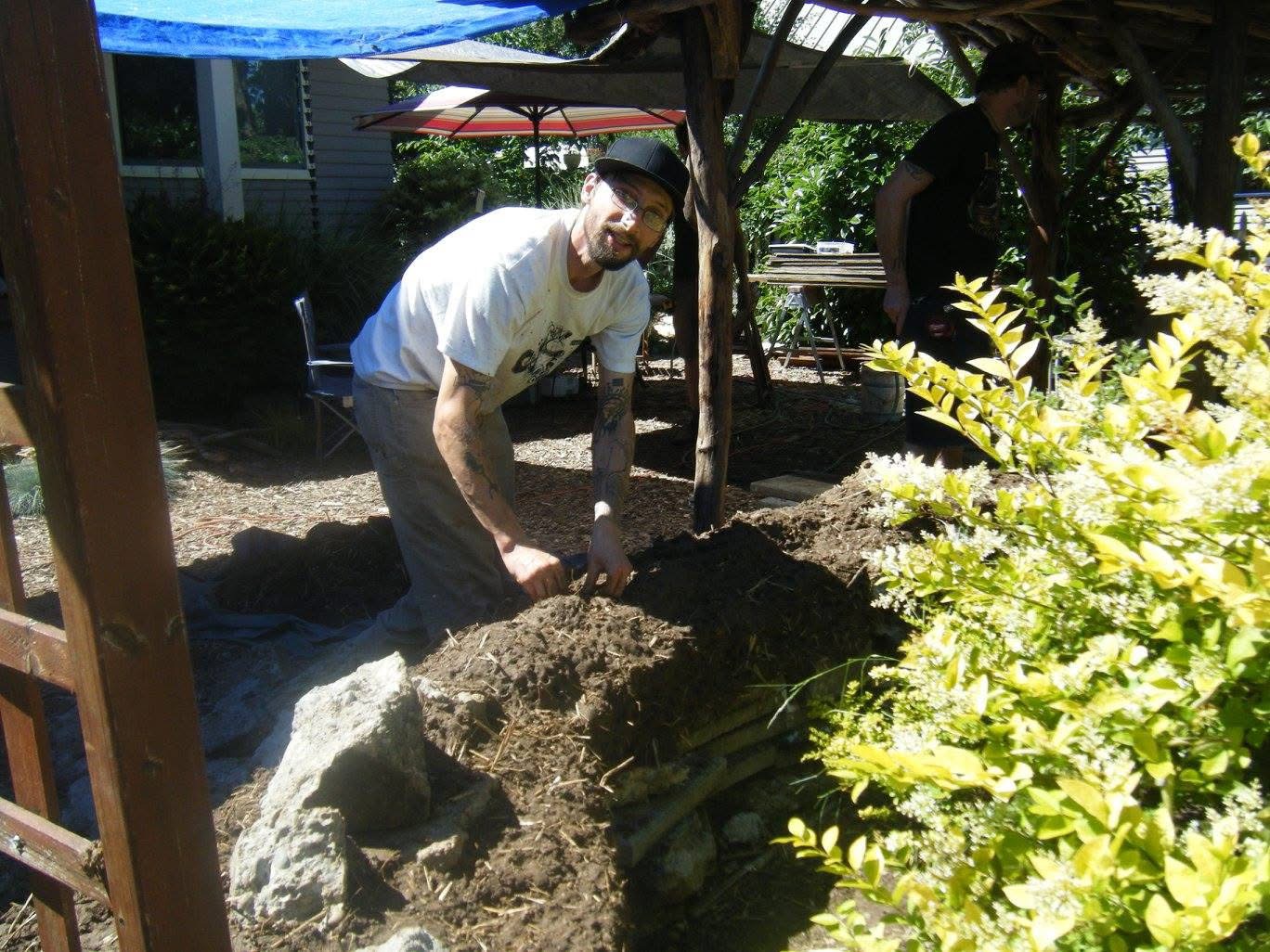
Cob building starts with a good foundation — stone, urbanite, or concrete that keeps the earthen wall above the moisture line. The cob mix is prepared on tarps or a mixing surface, then applied in lifts — layers of material that are allowed to dry before the next layer goes on. The process is slow and iterative, which is part of what makes it so satisfying. Openings are formed around frames. Surfaces are finished with earthen plaster. The whole thing is an ongoing conversation between the builder, the material, and the site.

A note on timelines: any time frames mentioned here are for the active hands-on work only. Natural building happens in stages, and each stage needs time before the next one can begin — drying time, curing time, weather windows. A project that takes a few days of work can take several weeks or months from start to finish. The timeline follows the material, not the calendar. We talk through realistic expectations as part of every first conversation.

Building process
Photos

The work

Video

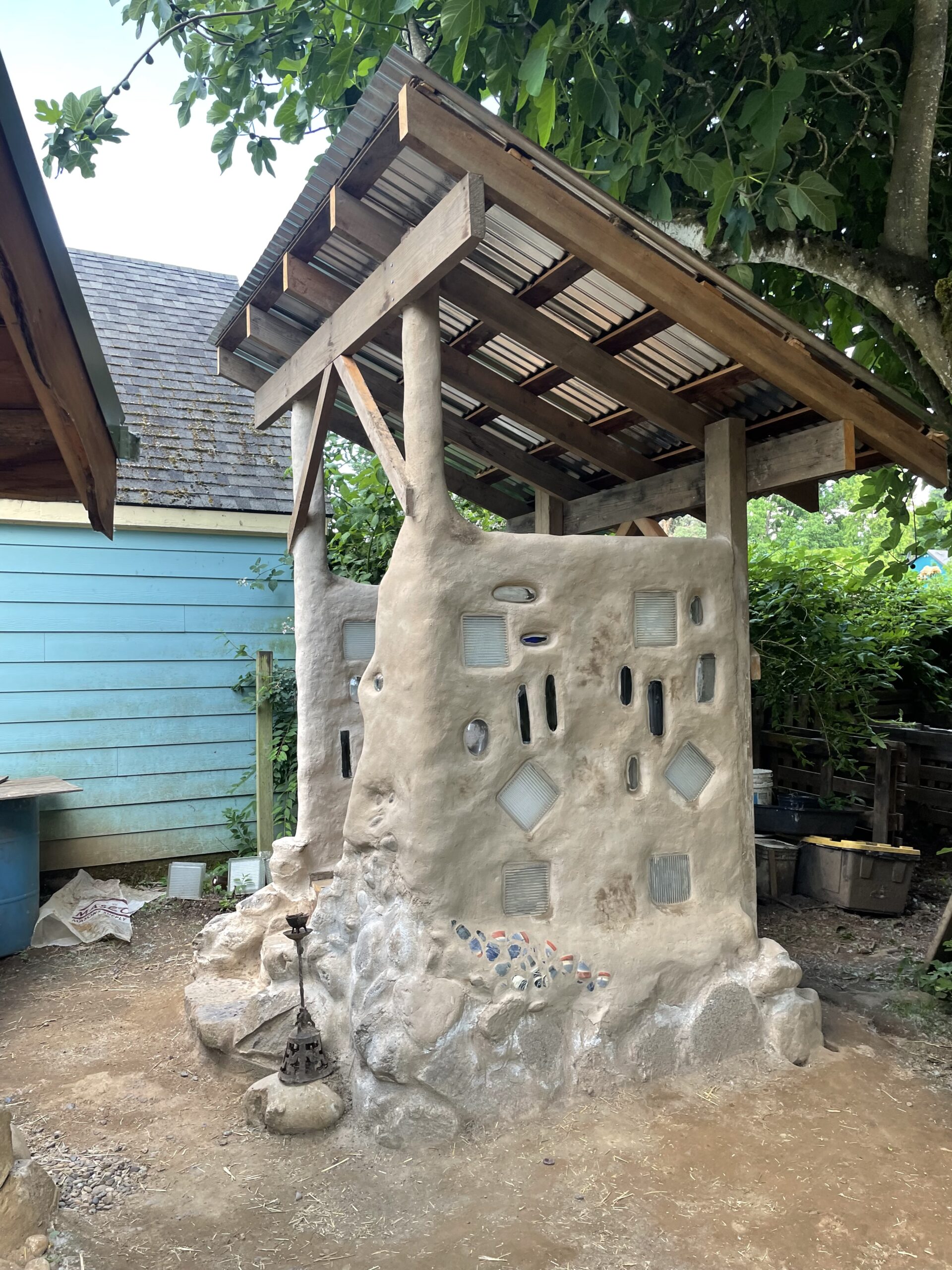
A small natural build in progress — rock, cob, and earthen finishes

Rock foundation and stairs, cob walls on a conventional frame, earthen and lime plaster, lime wash, and clay paint. A small structure showing the full process — not finished yet, but far enough along to see how it all comes together.