With Bryan Burnoski · Lost Valley Educational Center

Join Bryan's next cob building workshop — learn step-by-step how to build with cob.

These workshops go beyond the basics. They dive into the creative art of earthen construction.

The Workshops

Hands-on cob building — at Lost Valley Educational Center

With over 18 years of experience teaching cob construction and building earthen cottages, Bryan guides participants through the foundational techniques of cob building — how to source and test your own clay, mix cob by hand and foot, and apply it to real structures. Participants will get to practice cob building incorporating artistic design. It will include structural elements of natural building alongside the sculptural and artistic possibilities of the material.
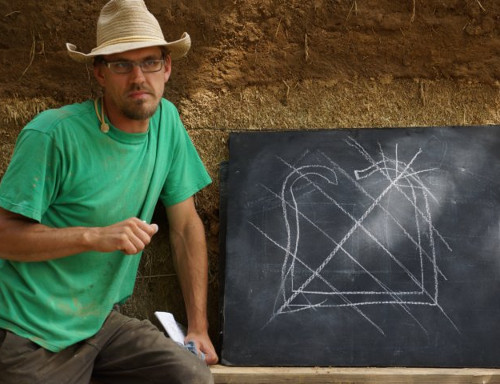
Bryan teaching cob building
What You’ll Learn

In these workshops you’ll learn how to

  • Source and identify the right clay for your own projects
  • Mix and build with cob using traditional methods
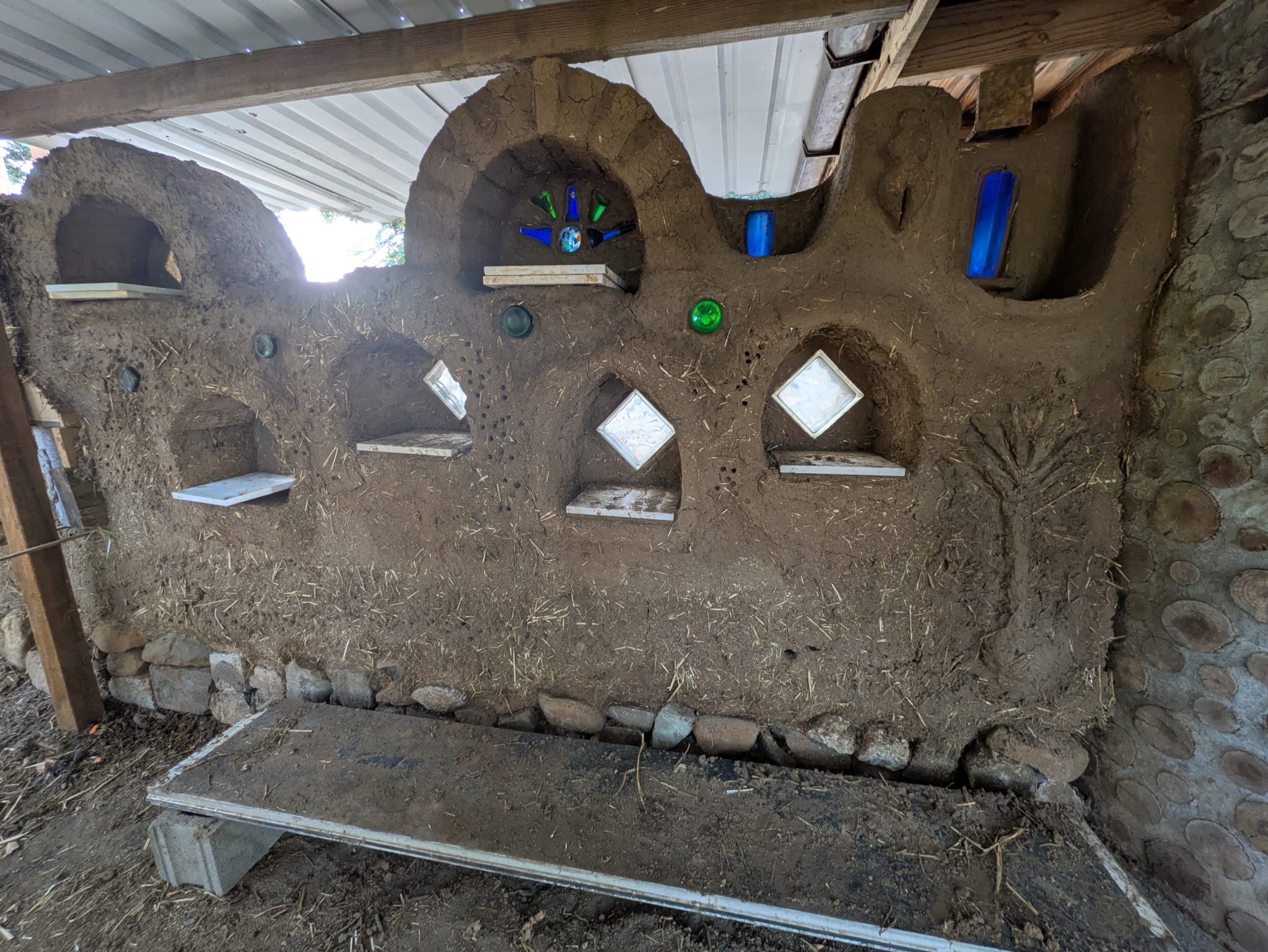
  • Construct beautiful arches, niches, and corbels
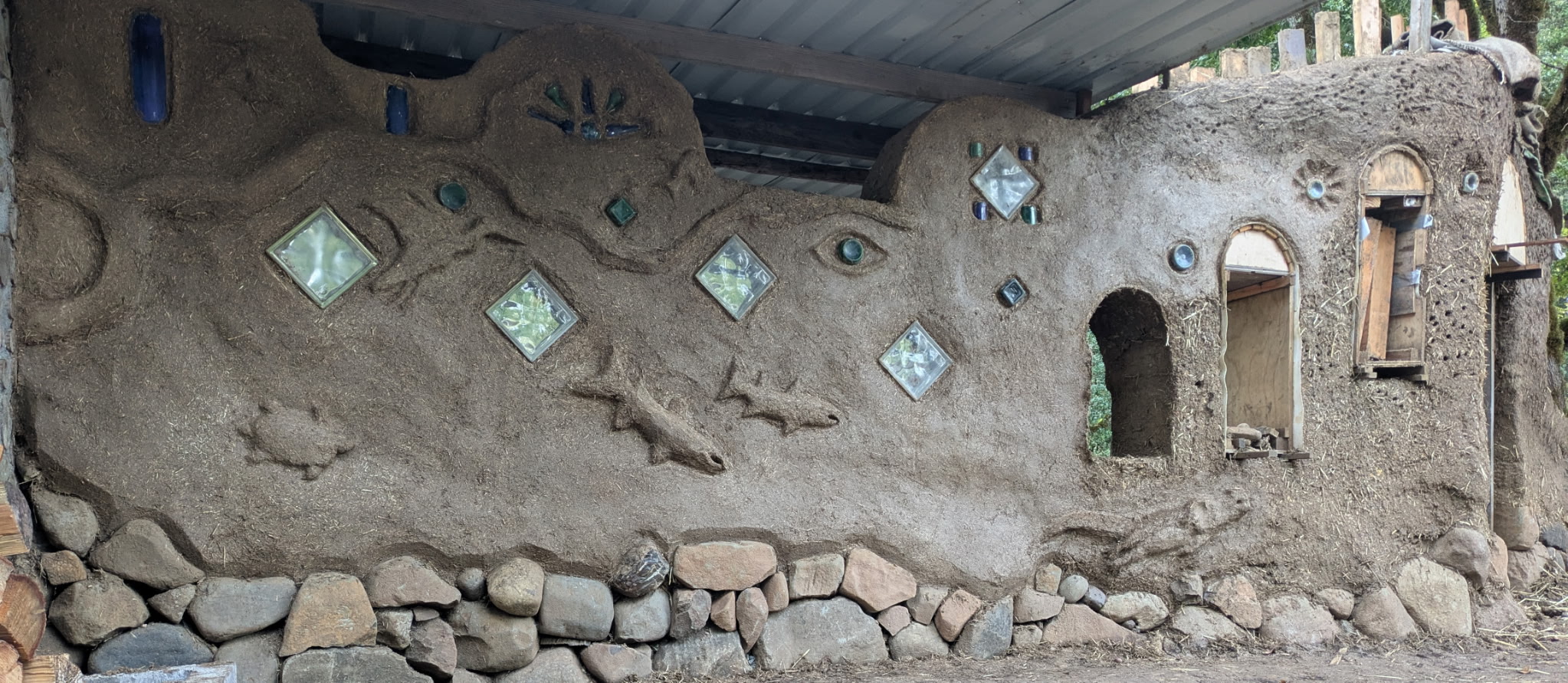
  • Insert bottle art and glass blocks to bring light and color into your walls
  • Explore the sculptural and artistic elements of natural building

Participants will practice cob building incorporating artistic design alongside structural elements — the full picture of natural building.

Learn about the materials →
Workshop participants learning cob building
Cob building workshop at Lost Valley
→   Register at Lost Valley Get in touch Learn About Bryan
The Work

What gets built

See The Work

Want to see more of what gets built?

Bryan’s full photo gallery shows the range of structures, details, and workshop projects built over 18 years — cottages, ovens, arches, glass-embedded walls, and earthen surfaces of all kinds.

→   View Full Gallery
Why Natural Building

Building skills that matter

Learning the skills of natural building supports community resilience. It combines simple, time-tested techniques with natural, locally sourced materials. These materials help design efficient, climate-adapted structures. The high thermal mass of cob helps regulate indoor temperatures — reducing the need for mechanical heating and cooling. Its breathability supports healthy indoor air quality. Cob structures are durable, repairable, and low-tech.

This makes them a community-accessible option for more sustainable and adaptive housing.
Natural building — community resilience