Natural Building · Outdoor Spaces · Pacific Northwest

Garden walls & cob benches. The garden as a place to be.

Sculpted cob benches, garden walls, and outdoor features that make a garden feel like a room.

The Project

Garden Walls & Cob Benches

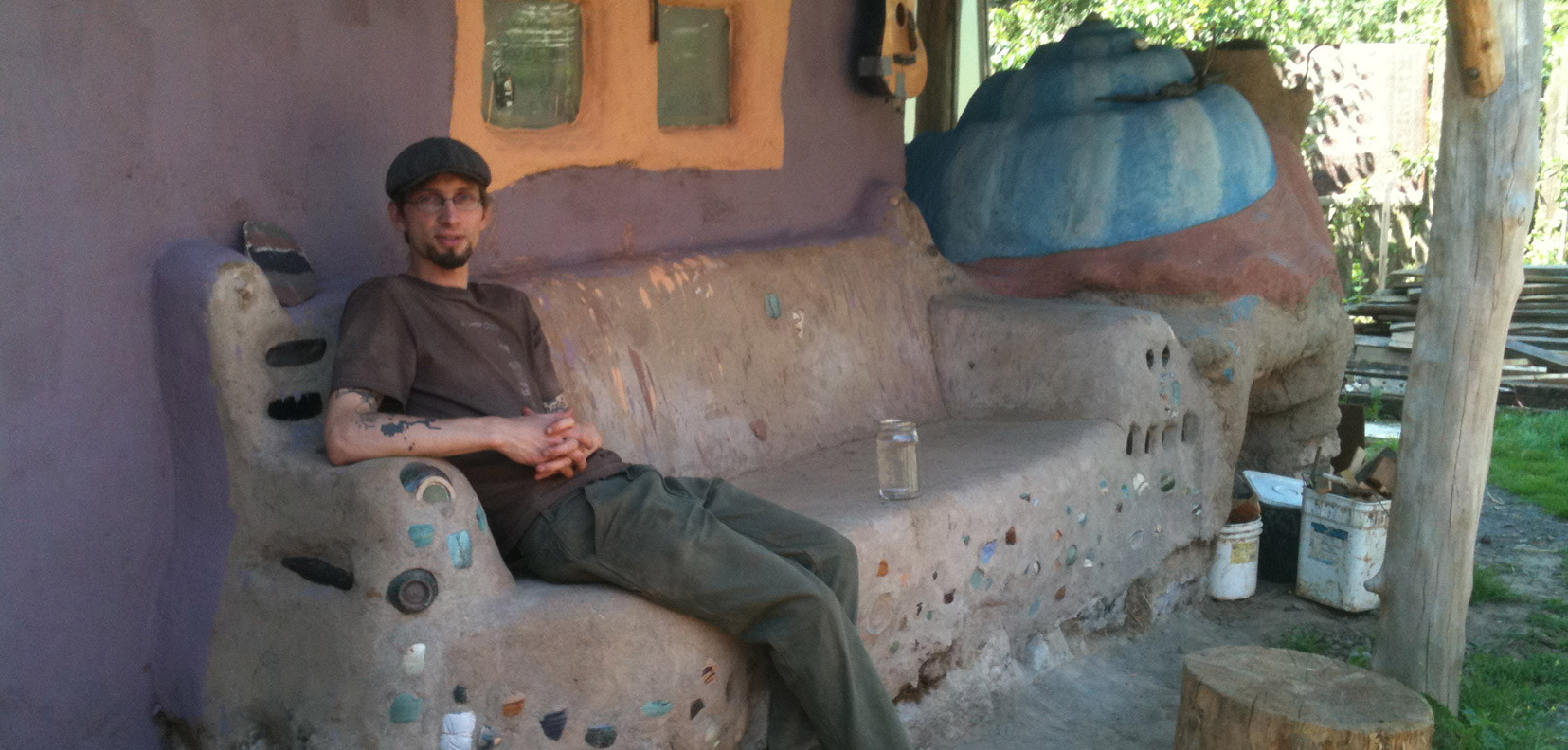
A cob bench or garden wall is one of the most accessible entry points into natural building — and one of the most satisfying. These are projects that can be completed in a weekend or two, require no permits in most jurisdictions, and immediately transform a garden into a place people want to gather. Cob benches can be sculpted into almost any shape — integrated planters, armrests, backrest curves, mosaic inlays, embedded glass. Every one is different.

Garden Walls & Cob Benches
Why people want them
Why Build One

Why people want them

A cob bench or garden wall tells a story about how it was made. It has a presence that a timber or concrete structure simply doesn't. People are drawn to touch them. Children climb on them. They become the gathering point of an outdoor space. Because cob is so sculptable, these projects are also a natural canvas for artistic expression — mosaic tile, embedded stones, carved relief work, bottle glass. The garden becomes a reflection of the people who built and use it.

The Process

How they get built

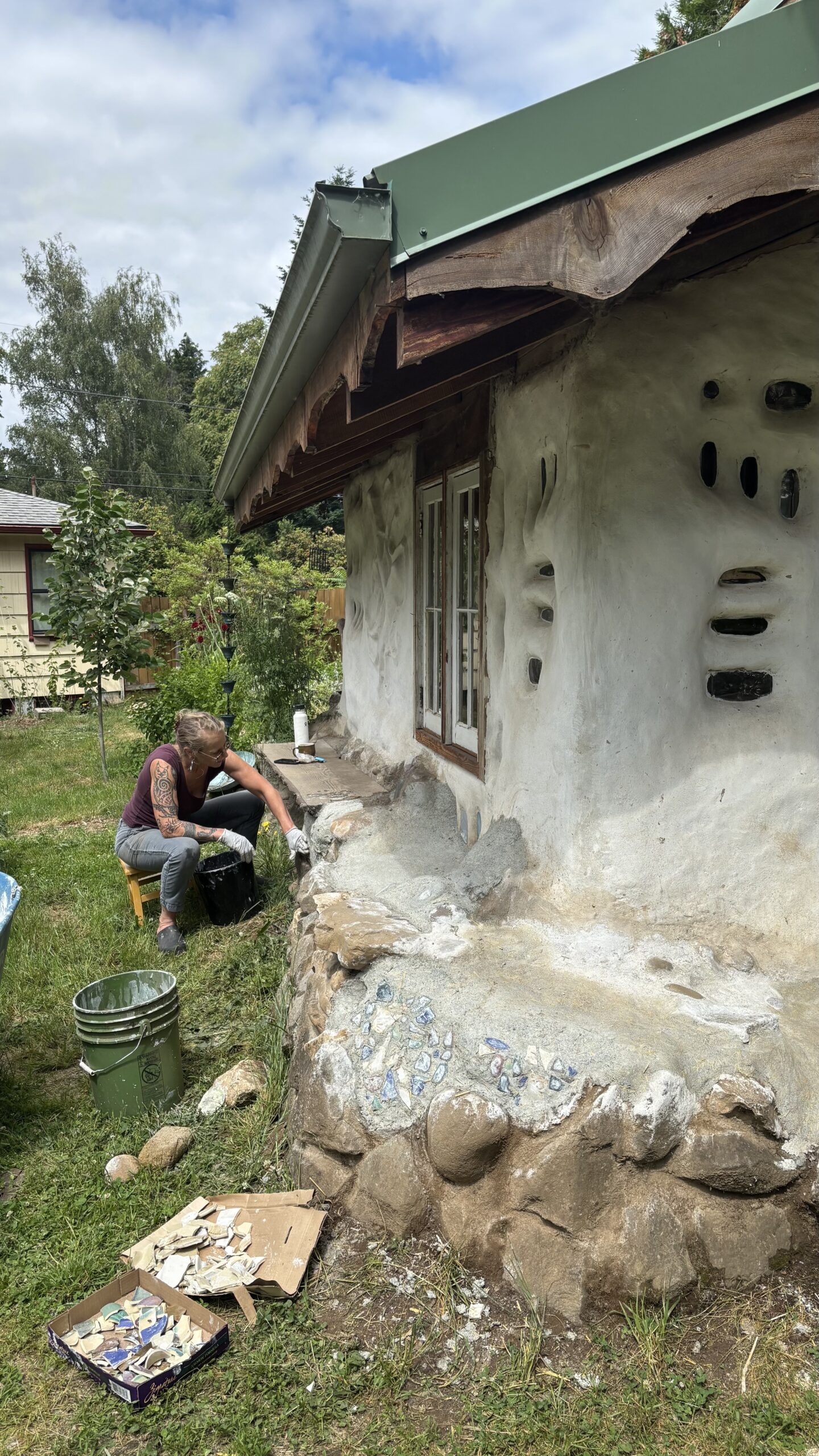
Garden walls and benches start with a simple stone or rubble foundation to keep the earthen work above ground moisture. The cob is mixed and applied in sections, allowed to dry between sessions, and sculpted as it goes. Armatures of wood or metal can be used to support overhanging forms. Mosaic and glass work is embedded into the final layers. The whole surface is finished with earthen plaster and sealed with a lime wash or clay paint. Most projects take two to four days of hands-on work.

A note on timelines: any time frames mentioned here are for the active hands-on work only. Natural building happens in stages, and each stage needs time before the next one can begin — drying time, curing time, weather windows. A project that takes a few days of work can take several weeks or months from start to finish. The timeline follows the material, not the calendar. We talk through realistic expectations as part of every first conversation.

Building process
Photos

The work